Core Aeration (Plug Aeration): A Simple Beginner’s Guide to Healthier Lawns
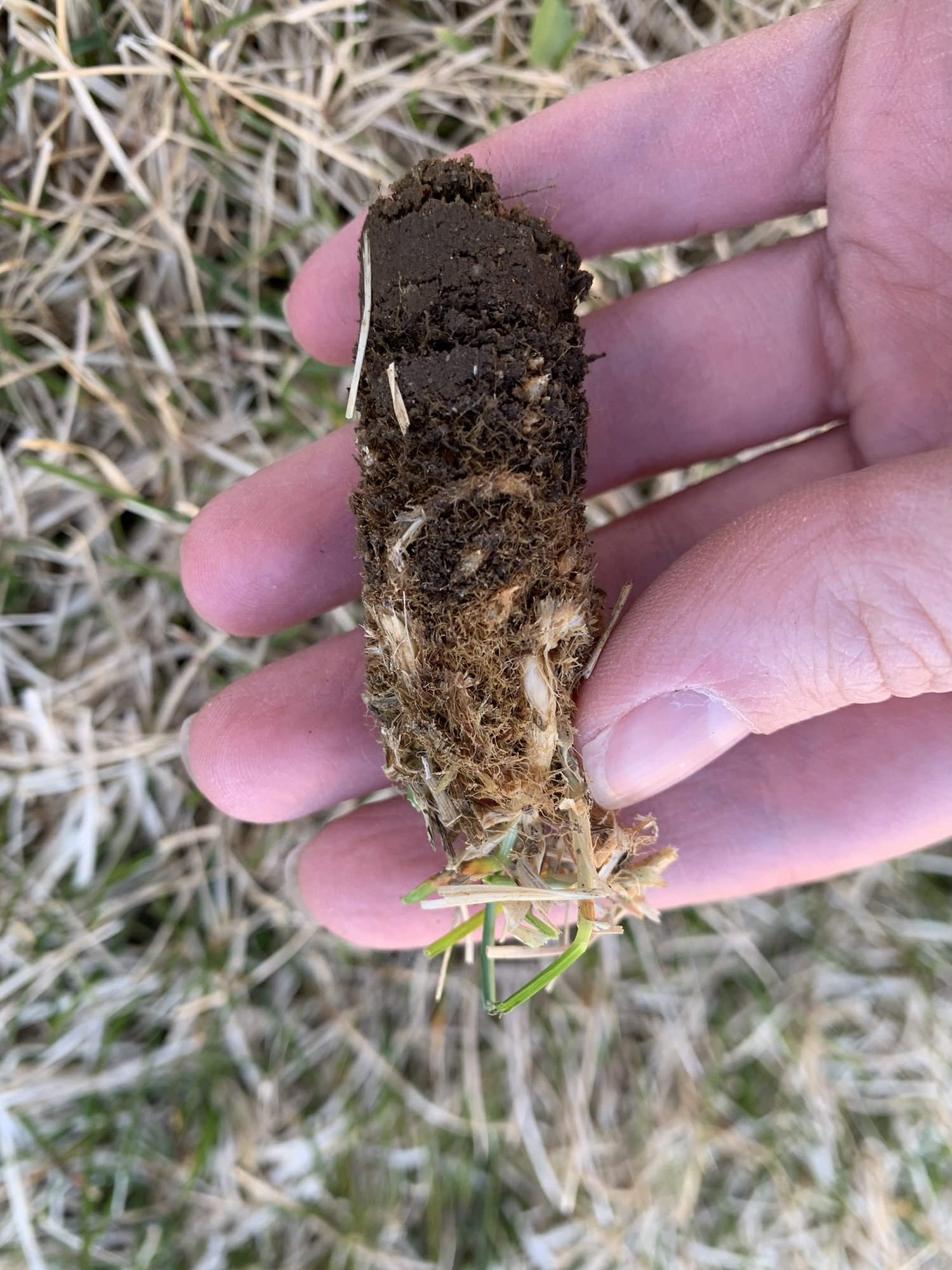
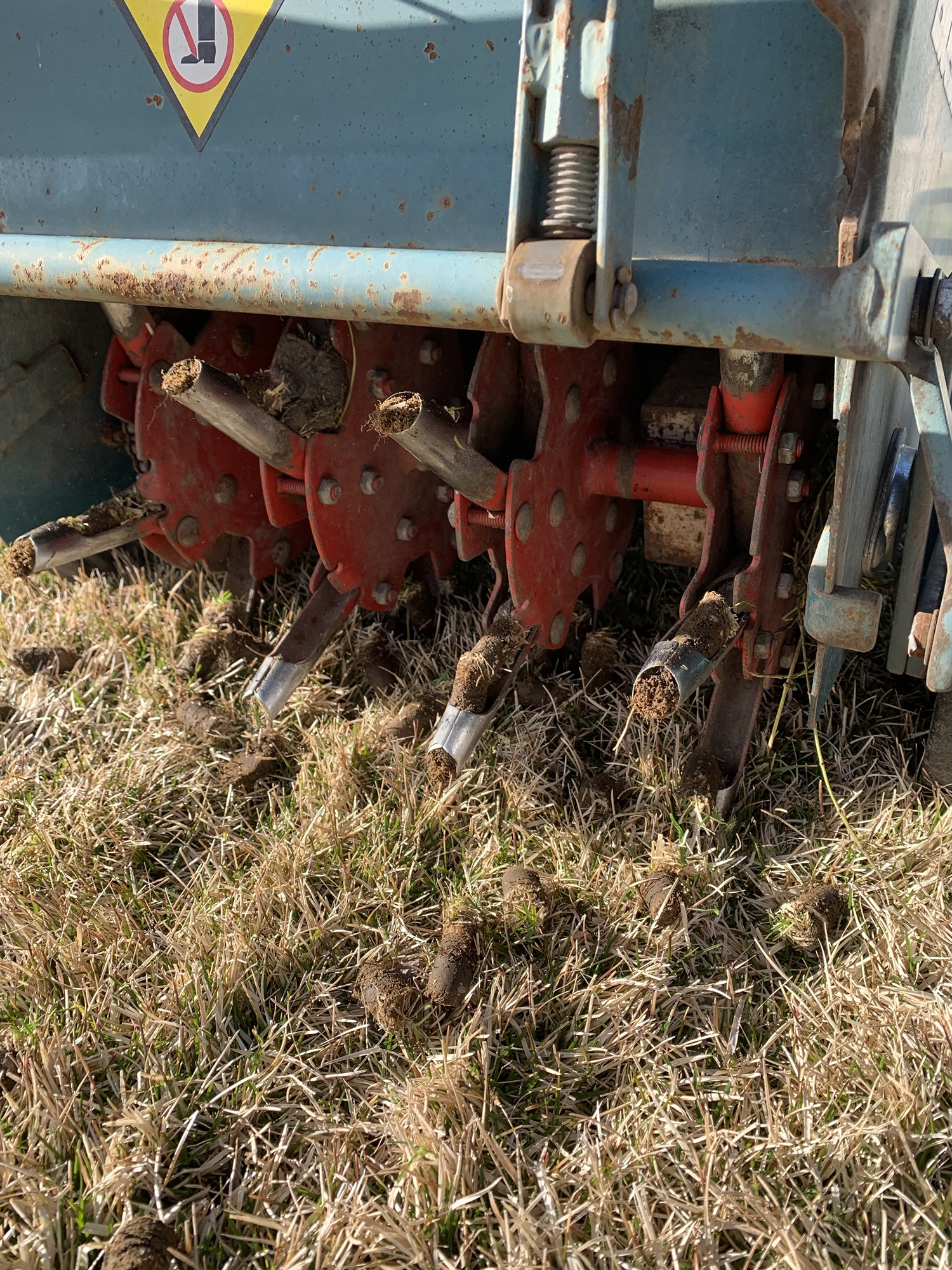
Core aeration, also called plug aeration, is one of the most effective ways to revive a tired lawn.
If your lawn feels hard, looks thin, or struggles with bare spots, core aeration may be exactly what it needs. This guide explains what plug aeration is, how it works, when to do it, and why it’s one of the best lawn care services for long‑term grass health.
What Is Core Aeration (Plug Aeration)?
Core aeration—also known as plug aeration—is a lawn care process that removes small plugs of soil and thatch from your yard. A machine called a core aerator pulls out these plugs and leaves small holes across the lawn surface.
These holes allow air, water, and nutrients to move deeper into the soil and reach the grass roots. Over time, this helps your lawn grow thicker, greener, and more resilient.
How plug aeration works
- Removes soil plugs: The aerator pulls out small cylinders of soil and thatch.
- Opens the soil: The holes relieve compaction and create space for roots to grow.
- Improves absorption: Water, fertilizer, and oxygen can move deeper into the root zone.
- Encourages new growth: Grass fills in around the holes, thickening the lawn over time.
Benefits of Core Aeration for Your Lawn
Plug core aeration is one of the highest‑impact services you can do for a struggling lawn. Instead of just treating the surface, it improves the soil conditions that grass depends on.
- Relieves soil compaction: Especially important for high‑traffic lawns and clay soils.
- Improves root growth: Roots can grow deeper and stronger in loosened soil.
- Boosts fertilizer effectiveness: Nutrients reach the root zone instead of sitting on top.
- Enhances water penetration: Reduces runoff and helps the lawn handle heat and drought.
- Thickens thin lawns: Over time, grass fills in, crowding out weeds.
When Is the Best Time to Aerate Your Lawn?
The best time for core aeration depends on your grass type. In general, you want to aerate when the grass is actively growing so it can quickly recover and fill in the holes.
Cool‑season lawns
For cool‑season grasses (like Kentucky bluegrass, fescue, and ryegrass), the ideal time to aerate is usually:
- Early fall: Often the best time, especially when combined with overseeding.
- Early spring: A good option if fall aeration wasn’t done.
Warm‑season lawns
For warm‑season grasses (like Bermuda, zoysia, and St. Augustine), aerate during:
- Late spring to early summer: When the grass is actively growing and fully out of dormancy.
Avoid aerating during extreme heat, drought stress, or when the lawn is dormant.
Signs Your Lawn Needs Plug Core Aeration
Not every lawn needs aeration every year, but many do—especially in high‑traffic or compacted areas. Here are common signs that plug aeration would help.
- Hard, compacted soil: It’s difficult to push a screwdriver or shovel into the ground.
- Thin, patchy grass: The lawn looks weak, even with regular watering and fertilizing.
- Water runoff: Water pools or runs off instead of soaking in.
- Heavy foot traffic: Kids, pets, or equipment frequently use the same areas.
- New construction: Lawns installed on recently built properties often have compacted soil.
Plug Aeration vs Spike Aeration
Homeowners sometimes confuse plug aeration with spike aeration. The difference matters for long‑term lawn health.
Plug (core) aeration
- Removes soil plugs: Actually takes soil out of the ground.
- Reduces compaction: Creates space for roots and air.
- Best for long‑term health: The preferred method for most lawns.
Spike aeration
- Punches holes: Uses solid tines to poke into the soil.
- Can increase compaction: Pushes soil sideways instead of removing it.
- Short‑term solution: May help temporarily but is less effective than plug aeration.
For most compacted lawns, core plug aeration is the better choice because it actually relieves compaction instead of just shifting it around.
What to Do After Core Aeration
What you do after plug aeration can dramatically increase the benefits. This is the perfect time to improve the soil and thicken the lawn.
- Leave the plugs on the lawn: They will break down naturally and return organic matter to the soil.
- Overseed thin areas: Seed can fall into the holes and establish strong new roots.
- Fertilize: Nutrients move more easily into the root zone after aeration.
- Water deeply: Keep the soil slightly moist to help roots and new seed establish.
DIY Plug Aeration vs Hiring a Professional
You can rent a core aerator and do the job yourself, but many homeowners prefer to hire a lawn care service.
DIY core aeration
- Pros: Lower cost per use, flexible timing.
- Cons: Heavy equipment, learning curve, time‑consuming, risk of missing problem areas.
Professional core aeration
- Pros: Proper equipment, consistent plug depth, faster results, often combined with overseeding and fertilizing.
- Cons: Higher upfront cost than DIY.
Ready for a Healthier Lawn?
If your lawn feels hard, looks thin, or just isn’t thriving, plug core aeration is one of the most effective ways to reset the soil and help your grass grow thicker and greener.
Get a quote for professional core aeration and find out what your lawn needs this season.
Request a Core Aeration QuoteCore Aeration FAQ
How often should I aerate my lawn?
Most lawns benefit from core aeration every 1–2 years. Lawns with heavy traffic, clay soil, or chronic compaction may need annual aeration, while low‑traffic lawns in good condition may only need it every few years.
Is core aeration worth it?
Yes—especially for compacted or struggling lawns. Core aeration improves root growth, water absorption, and fertilizer efficiency, which can save money on other treatments and help your lawn recover faster from stress.
Will core aeration damage my sprinkler system?
Aeration should not damage your irrigation system if sprinkler heads and shallow lines are clearly marked before the work is done. Always flag sprinkler heads and let your lawn care provider know where lines are located.
Do I need to water before plug aeration?
Light watering the day before aeration can help the tines penetrate the soil more effectively. The soil should be moist but not muddy.