Hydroseeding vs Sod vs Regular Grass Seed
Understanding why hydroseeding is often the sweet spot for cost, coverage, and long‑term lawn health.
What is hydroseeding?
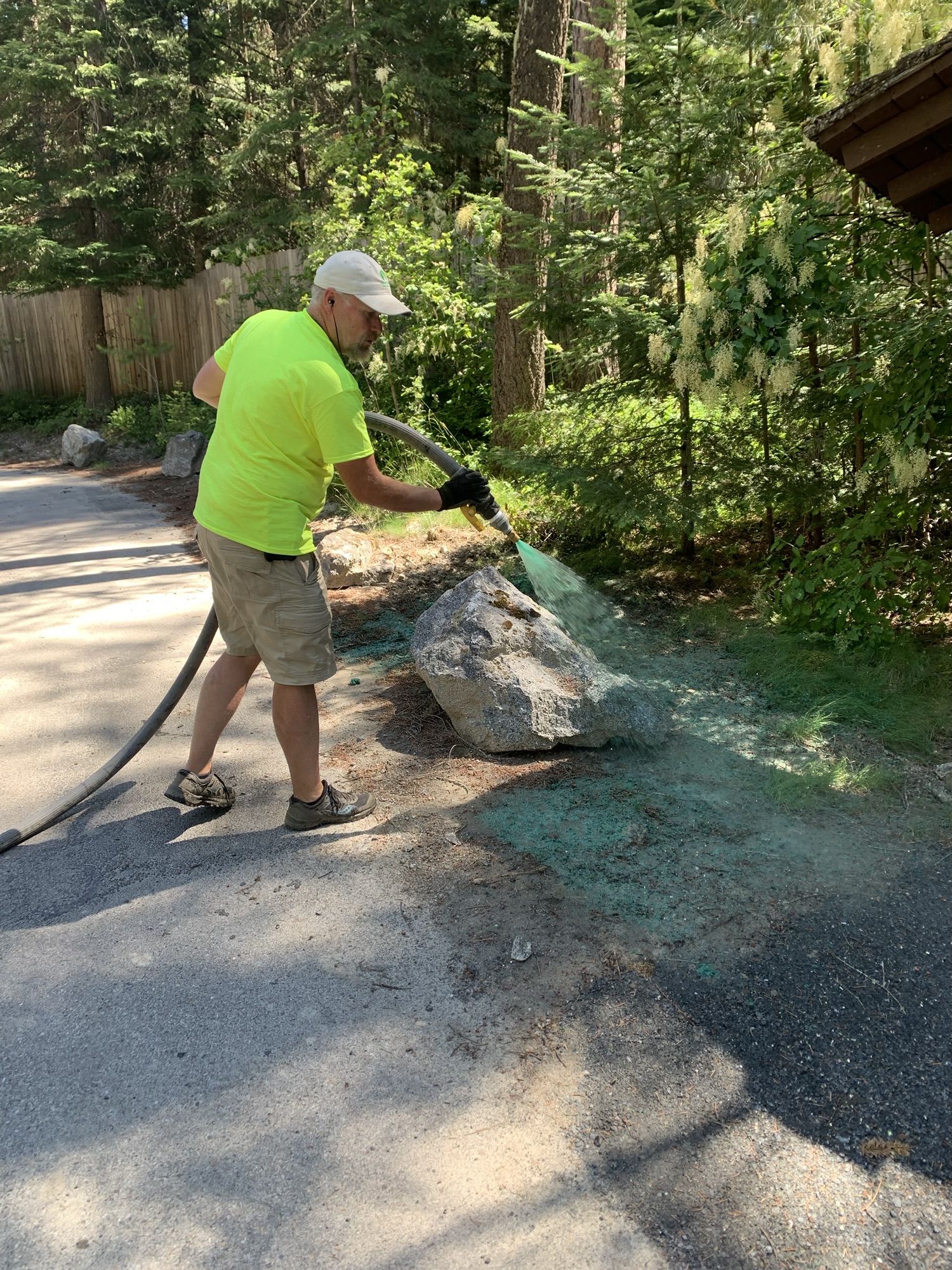
Hydroseeding is a method of establishing grass by spraying a slurry of water, grass seed, mulch, fertilizer, and tackifiers (binding agents) over prepared soil. The mulch protects the seed, holds moisture, and helps the mixture adhere to slopes and uneven ground.
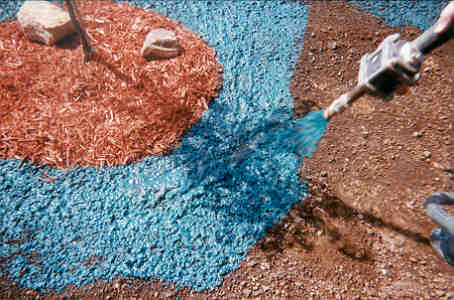
Hydroseeding slurry being sprayed over prepared soil.
Compared to laying sod or broadcasting dry grass seed, hydroseeding offers a balance of affordability, speed, and uniform coverage—especially on large or hard‑to‑reach areas.
Cost comparison
Hydroseeding
- Per‑square‑foot cost: Typically more than regular seed but significantly less than sod.
- Best for: Medium to large areas where you want a lush lawn without paying sod prices.
Sod
- Per‑square‑foot cost: Highest upfront cost due to harvesting, transporting, and installation.
- Best for: Small, high‑visibility areas where instant results justify the price.
Regular grass seed
- Per‑square‑foot cost: Lowest material cost, but may require more re‑seeding and erosion control.
- Best for: Budget‑conscious projects where time and appearance are less critical.
Key takeaway: Hydroseeding often delivers a professional‑looking lawn at a fraction of sod’s cost,
while being more reliable and uniform than basic broadcast seeding.
Speed of establishment
Hydroseeding
- Germination: Often within 7–14 days under good conditions.
- Usable lawn: Typically within a few weeks to a couple of months, depending on climate and care.
Sod
- Instant green: Looks like a finished lawn the day it’s installed.
- Rooting period: Needs several weeks of careful watering to knit into the soil.
Regular grass seed
- Germination: Similar or slower than hydroseeding, with more risk of seed drying out or washing away.
- Usable lawn: Often the slowest route, especially without irrigation or mulch.
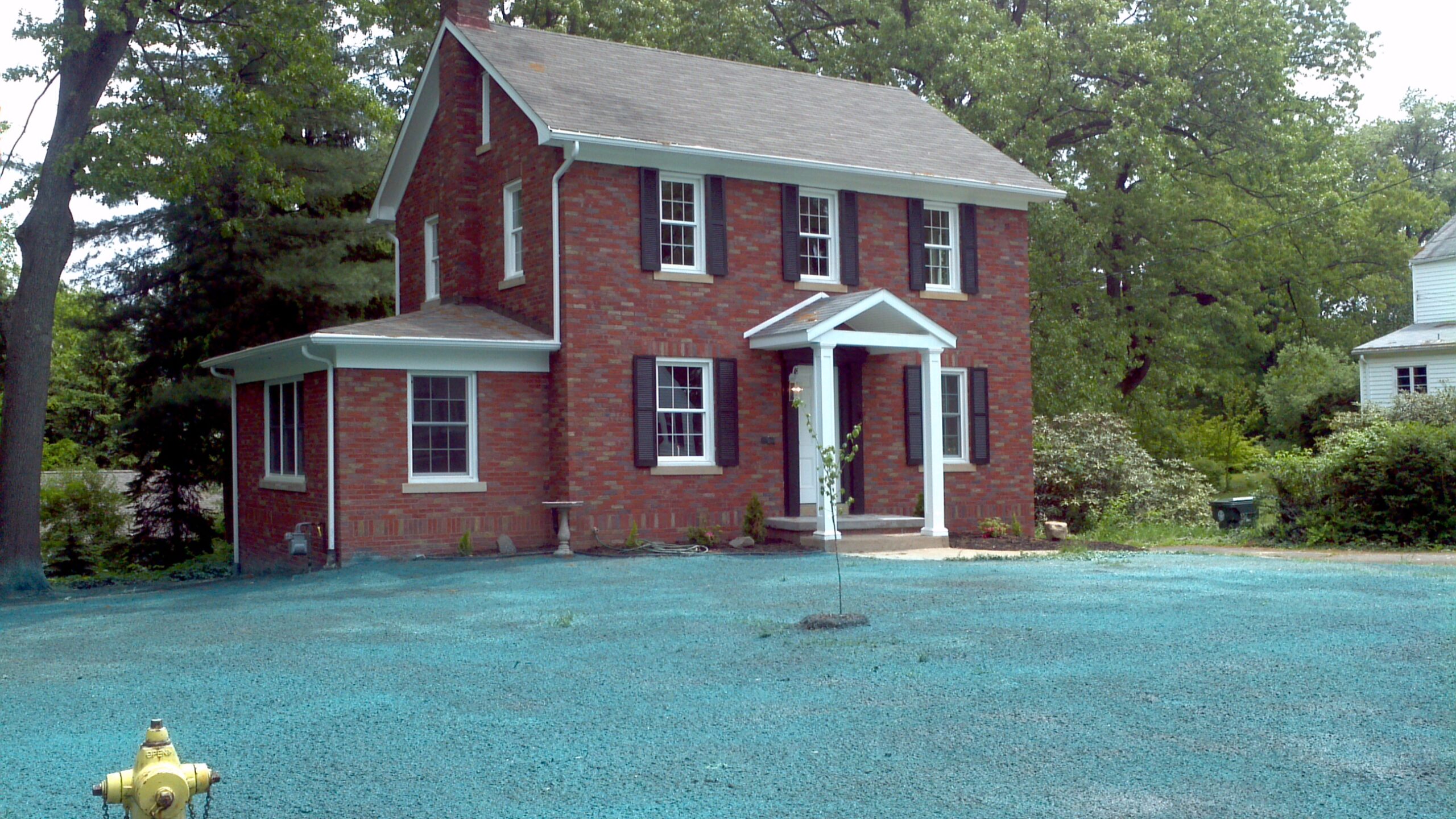
This lawn has just been hydroseeded.
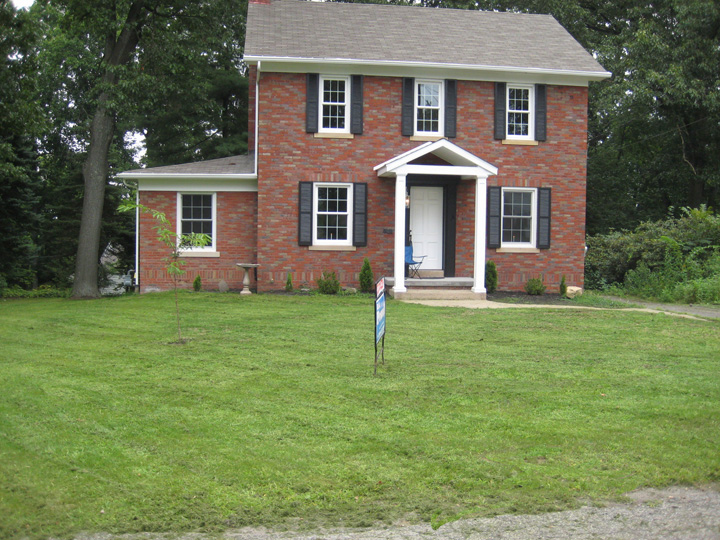
Hydroseeded lawn filling in after several weeks of growth.
Coverage, uniformity, and erosion control
Hydroseeding
- Uniform coverage: The slurry coats the soil evenly, reducing bare spots and patchiness.
- Erosion control: Mulch and tackifiers help hold soil and seed in place, ideal for slopes and banks.
- Moisture retention: Mulch layer keeps seeds moist longer, improving germination rates.
Sod
- Instant coverage: Provides immediate ground cover and erosion protection once installed.
- Seams and edges: Can dry out or gap if not installed and watered carefully.
Regular grass seed
- Uneven distribution: Wind, water, and foot traffic can move seed around.
- Higher erosion risk: Bare soil is exposed until grass fills in, especially on slopes.