The Benefits of Power Raking Your Lawn
Power raking is a deep-clean for your lawn—removing built-up thatch, waking up tired grass, and creating space for a thicker, healthier yard.
What is power raking?
Power raking uses a machine with vertical blades to pull up layers of dead grass, roots, and debris (called thatch) that sit on top of the soil. Unlike a simple leaf raking, it reaches down into the grass canopy and lifts out the material that’s quietly suffocating your lawn.
Done at the right time and intensity, power raking can reset a struggling yard and give new grass seed the perfect place to grow.

Why thatch build-up is a problem
A thin layer of thatch can be normal, but when it gets too thick it acts like a barrier between your grass and the soil. Water, air, and nutrients struggle to reach the roots, and the lawn slowly weakens.
Common signs you may need power raking
- Spongy feel: The lawn feels bouncy or springy when you walk on it.
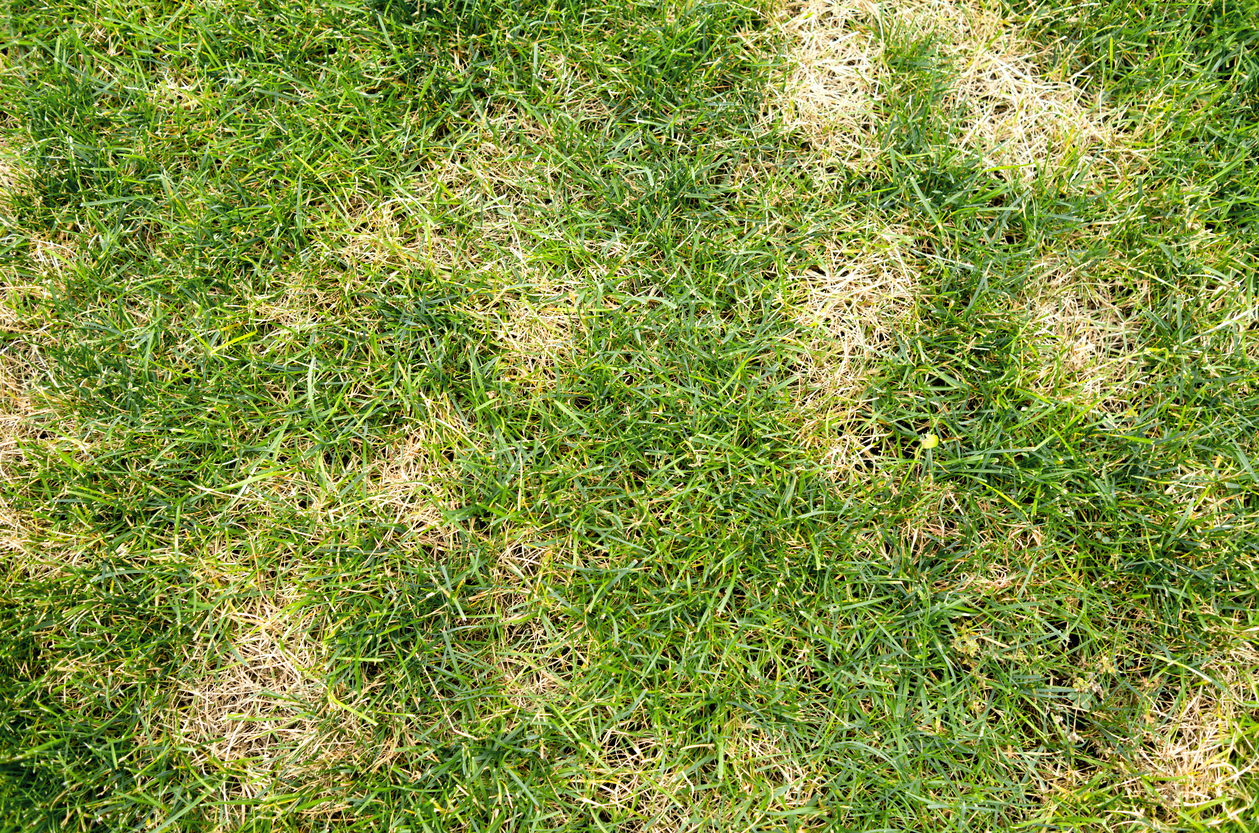
- Patchy color: Areas stay brown or thin even with watering and fertilizer.
- Shallow roots: Grass pulls up easily because roots can’t grow deep.
- Heavy debris: Matted dead grass and clippings sit on top of the soil.
Key benefits of power raking
1. Better air, water, and nutrient flow
Removing thatch opens pathways for water, oxygen, and fertilizer to reach the root zone. This helps your lawn respond better to every drop of water and every bit of nutrients you apply.
2. Stronger, deeper root systems
With the barrier gone, roots can grow deeper into the soil. Deeper roots mean better drought tolerance, improved resilience, and a lawn that bounces back faster from stress.
3. Thicker, more even lawn
Power raking creates small openings in the surface, which are ideal for overseeding. New grass can establish in those gaps, filling in thin or bare spots and creating a more uniform look.
4. Reduced disease and pest pressure
Thatch can trap moisture and create a humid layer where fungi and insects thrive. Removing it helps your lawn dry out properly and reduces the conditions that many diseases and pests prefer.
5. Improved appearance and color
As new growth comes in and roots strengthen, the lawn typically becomes greener, more vibrant, and more uniform. Power raking is often the first step in a visible “before and after” transformation.
6. Better performance from lawn care products
Fertilizers, soil amendments, and even irrigation work more efficiently when they’re not blocked by a thick thatch layer. That means more value from the work and money you already invest in your yard.
Before and after: what power raking can do
Right after power raking, the lawn can look rough and a bit alarming—that’s normal. Over the next few weeks, with watering and (ideally) overseeding, the grass fills in and the benefits start to show.

When and how often to power rake
Timing matters more than frequency. Most lawns don’t need power raking every year—only when thatch becomes excessive or the lawn shows clear signs of suffocation.
Best timing by grass type
- Cool-season grasses: Early spring or early fall, when the grass is actively growing.
- Warm-season grasses: Late spring to early summer, once the lawn is fully out of dormancy.
How often?
For most residential lawns, power raking every few years—or only when thatch becomes a problem—is enough. Regular mowing, proper watering, and not over-fertilizing can slow thatch build-up and reduce how often you need to power rake.
Simple aftercare checklist
After power raking, a few key steps help your lawn recover quickly and take full advantage of the reset:
- Rake and remove debris: Collect and remove the loosened thatch from the lawn surface.
- Overseed thin areas: Spread grass seed into bare or weak spots to encourage thicker growth.
- Water consistently: Keep the soil lightly moist (not soggy) while new grass establishes.
- Avoid heavy traffic: Give the lawn a little time to recover before heavy use.
- Follow with light feeding: A gentle, balanced fertilizer can support new growth (if seasonally appropriate).